




When educators integrate the Challenge mindset into their classrooms, remarkable things can happen. A recent example from Augustana University reminded me why this work matters and how deeply students can grow when they focus on real-world problems to solve instead of job titles to choose.
Earlier this semester, Mary Toso, Director of the Student Success Center at Augustana University, brought the Challenge Cards into her Career Exploration class. She wanted her students to think differently about their future.
At first, many of them interpreted the activity as a chance to write about personal obstacles, not the real-world problems highlighted in the Challenge Cards. Mary saw this as an opportunity to go deeper.
During a follow-up class session, Mary invited her students to revisit the Challenge Cards, sort them again using the digital version, and discuss what stood out. This time, the activity sparked powerful insights. Two students shared reflections that stayed with her.
-
One student said that thinking with a Challenge mindset helped them focus on doing something with purpose, which mattered more to them than chasing money.
-
Another student explained that exploring something bigger than themselves took the pressure off trying to pick the perfect career. They understood that they did not need all the answers right away. They only needed to decide what meaningful problem they wanted to help solve.
These comments showed a growing sense of clarity. Students were beginning to understand that careers are not predetermined paths. They are ways to contribute.

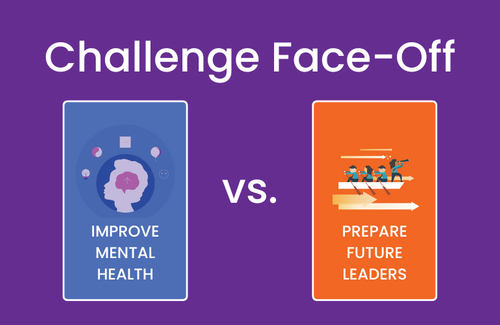
Mary also organized a Challenge Face-Off. The finalists were "Increase Sustainable Energy” and “End Extreme Poverty”. What could have been a simple comparison turned into a deep and thoughtful exchange.
Students talked about wanting to make a meaningful difference for people. They connected parts of each Challenge to issues like natural disasters, access to clean water, and the environmental factors that shape communities. They recognized that one significant issue often links to many others. Solving one can create new needs, but that only expands the possibilities for impact.
These conversations showed students applying the Challenge mindset in a sophisticated way. They were building mental bridges between disciplines, communities, and global needs.
A Case Study in the Challenge Mindset Certification Program
Mary later used this classroom experience as her case study during the Challenge Mindset Certification Program. Her reflections highlighted something important. Even when students begin with confusion or hesitation, a guided return to the Challenges can unlock insight, motivation, and hope.
Mary’s willingness to try again, reframe the activity, and help students talk through their ideas made all the difference. Stories like Mary’s remind us that educators are catalysts. When they invite students to focus on real-world problems and meaningful contributions, they open the door to purpose, confidence, and possibility.


