




At Ontario Tech University, students recently had the opportunity to participate in a Reverse Career Fair, an event where employers visit student booths to learn about their projects and experiences.
This year, Career Development Specialist Nancy Mak introduced something new. Students were invited to integrate their SparkPath Challenge Cards into their displays. Using the Challenge Cards, they selected the real-world problems they felt inspired to work on and used them to guide their booth presentations.
Nancy and her team provided resources to help students reflect on their chosen Challenges and find ways to weave them into their conversations with employers.
Check out these videos of Nancy Mak sharing her story:
Connecting with Purpose
What stood out about this approach was how it shifted the focus from what students have done to why they do it. Instead of leading with a resume or list of experiences, students could express the deeper motivations behind their work.
Check out a few examples from students:
 Nathan wants to work on preventing cybercrime to help people use the internet without fear.

This student wants to work on “creating solutions that are precise, sustainable, and build to last,”.

Ryan shared that reflecting on the challenges he wanted to work on inspired him to build an electrified skateboard, since he cares about creating affordable sustainable transportation.
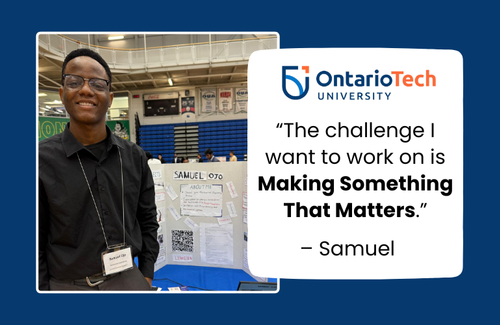
 Samuel wants to work on the challenge of “making something that matters,” with his mechanical engineering education.
These examples show the power of helping students articulate what matters to them.
When students can name the challenges they want to help solve, they show employers not only their skills but also their sense of purpose.
The Reverse Career Fair at Ontario Tech is a strong example of the Challenge mindset in action.
Nancy’s initiative shows how creative educators can use the Challenge approach to transform familiar experiences like career fairs into deeper learning opportunities.


